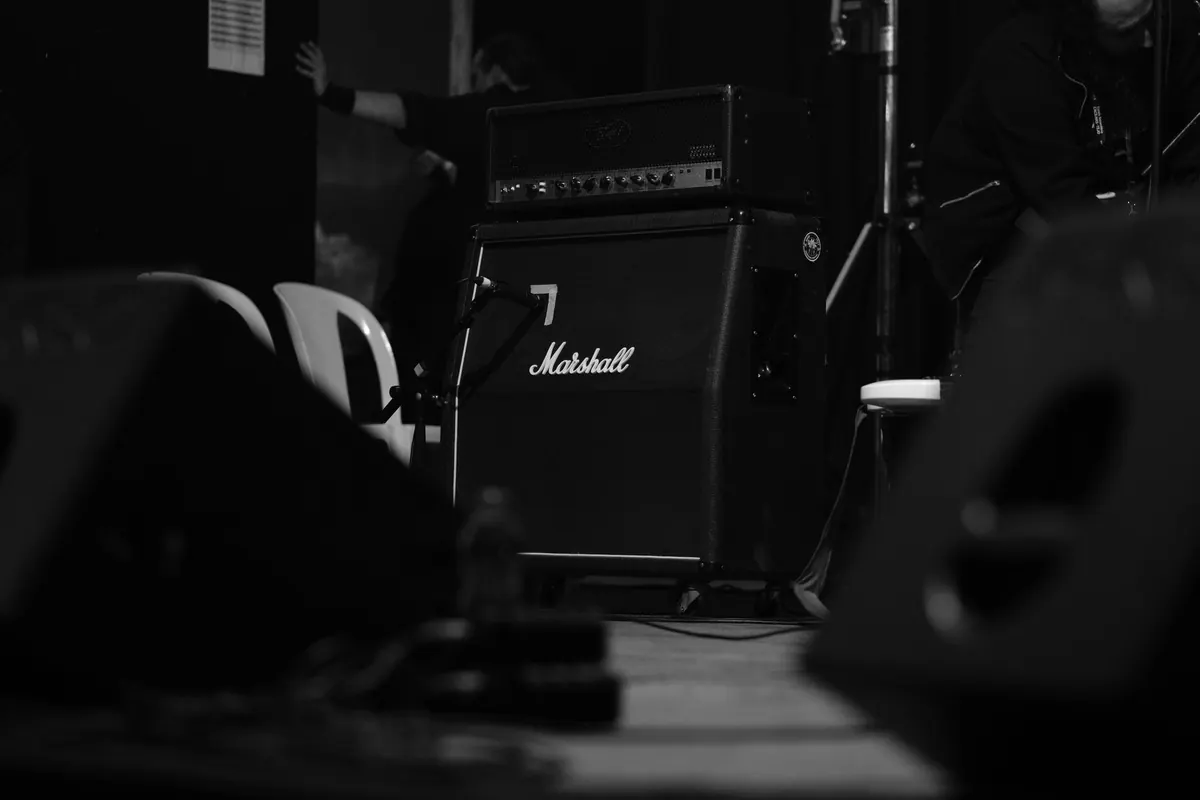
Sound systems in small venues are usually the last thing anyone notices — until they go wrong. Pulse Room has spent the past three months running a new rig through everything the calendar throws at it: hushed solo sets, loud guitar bands, and late DJ nights that push the low end harder than any Tuesday gig should. That is long enough for the novelty to wear off and for the room to show its hand.
Listening from the front, the back, the bar and the balcony over those months produces a clear picture. The new system is a real step up, and it is not flawless. Both halves of that sentence matter when you are deciding where to stand.
What has actually changed
The old setup did the standard thing: two stacks at the sides, a pair of subs on the floor, and a hopeful expression. Sound arrived at the audience rather than around it. The new arrangement is more deliberate. The main hangs have been repositioned and re-angled so their coverage overlaps more evenly, and the subwoofers now sit in a broader line across the front of the stage instead of being bunched together in one spot.
Just as important is what happens behind them. Engineers can pull up presets for different kinds of show — solo singer, full band, DJ — and adjust from there rather than starting from nothing at soundcheck. The monitoring on stage has had attention too, which is why bands have largely stopped asking for "more of everything" by the second song. A calmer stage almost always means a calmer room.
Clarity: the small details survive
The clearest improvement is in the mid-range, which is where most small venues quietly fail. Lyrics come through without the vocal being pushed so far forward that it sits on top of the band. Fingers on strings, brushes on a snare, the click of a pick against a pickup — all of it lands cleanly, even at volume.
Acoustic sets benefit most. A quiet singer with one accompanist is the hardest thing to amplify well, because there is nothing to hide behind. In recent weeks those sets have sounded like a room, not a PA. Chatter at the bar still bleeds into the quietest passages, but that is a crowd problem rather than a speaker problem.
Two things to listen for if you want to judge it yourself: whether you can follow the words without effort, and whether cymbals sound like metal rather than a hiss. Both have held up every night so far.
Bass response: weight without the mud
Low end is where new systems tend to over-promise. Big subs are easy; control is not. Pulse Room's bass is deep when it needs to be and, crucially, quick. Kick drums stop when the drummer stops, and basslines stay legible instead of collapsing into a single warm blur.
It is not uniform across the room, and no system in a building like this will ever be. Low frequencies collect in corners and against walls, and they behave differently depending on where you are standing relative to the sub line.
- Centre, a few metres back: the most balanced bass in the room, and the best place to judge the mix.
- Directly in front of the subs: physical and good fun, but the punch arrives slightly ahead of the band, which can make the timing feel loose.
- Corners and the wall by the bar: noticeably thicker low end, and the first place to turn muddy once the room fills.
- Under the balcony: warmer and softer, with the top end losing its shine — workable for a DJ set, less good for anything with fine detail.
If the bass feels heavy and indistinct, move. A few paces usually fixes it.
Consistency across genres
The real test of a venue system is whether it flatters one kind of music at the expense of everything else. Three months in, the spread is impressively even.
Singer-songwriters and folk
Detailed and unhurried. Harmonies separate properly, and quiet dynamics are audible without the engineer riding the fader all night. Sit slightly off-centre for the most natural balance.
Guitar bands
This is the system's home ground. Guitars stay distinct instead of merging into one wall, and the low end gives drums weight without swallowing the vocals. The gap between old and new is most obvious on a loud, dense chorus.
Electronic and DJ nights
Confident and controlled at high volume, with genuinely deep extension. The one caveat is the top: at very high levels the highs can turn sharp if you are standing close to a hang. Step back and it settles.
Jazz, soul and horns
Brass is famously unforgiving, and the new rig handles it without the glare that makes you wince. Upright bass sounds woody rather than boomy, which is a good sign of a well-behaved sub.
Where it still needs work
The very front of the floor remains the weakest spot. Stand close to the stage and you are hearing the hangs from underneath, with inconsistent top end and the subs doing most of the talking. Exciting for one song, tiring by the fifth.
The bar side of the room is consistently warmer and less defined — partly the building, partly the fact that it fills with people. Bodies absorb high frequencies and no engineer can mix around that entirely, but a little more care with the fill and delay speakers would help.
And the system is only as good as the person driving it. Presets are a starting point, not a substitute for a soundcheck. On the nights that sounded flat-footed, the kit was rarely the cause.
How to get the best from it
A short practical list, drawn from three months of moving around the room.
- Arrive for the support act. The space sounds different empty, half-full and packed, and you will hear how the system behaves before the crowd lands.
- Stand a few metres back and slightly off-centre. That is where the coverage overlaps most evenly.
- Skip the first two rows if balance matters more than proximity. Save them for the bands you want to see up close rather than hear properly.
- Take earplugs to DJ nights. Levels are sensible, but a full evening near the subs adds up.
- If something sounds wrong, move before you blame the band. Two steps sideways can change the low end more than any fader.
- Tell the staff. "The vocals were muddy on the left" is far more useful to a venue than "it was too loud".
The verdict
The new system is a clear improvement, and three months in it is holding up across genres rather than only shining on the loud nights. Clarity is the headline; the bass is deep, controlled and mostly where it should be. The weak points are the front row, the bar side, and any evening when nobody has taken the time to tune the room.
If you are deciding whether to book: sound is no longer a reason to hesitate. Pick your spot, arrive early, and if the low end feels thick, take a few steps and listen again. That is true of almost every venue, but here it is a small adjustment rather than a workaround — which is exactly how a good new system should feel.
Photo: Samuel Jerónimo / Pexels